
Aim:

Designing and governing treescape expansion across scales to benefit people and nature
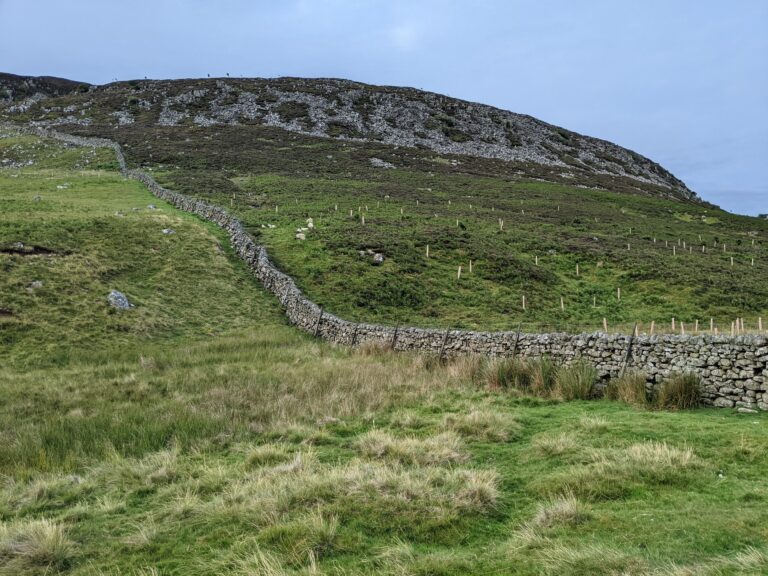
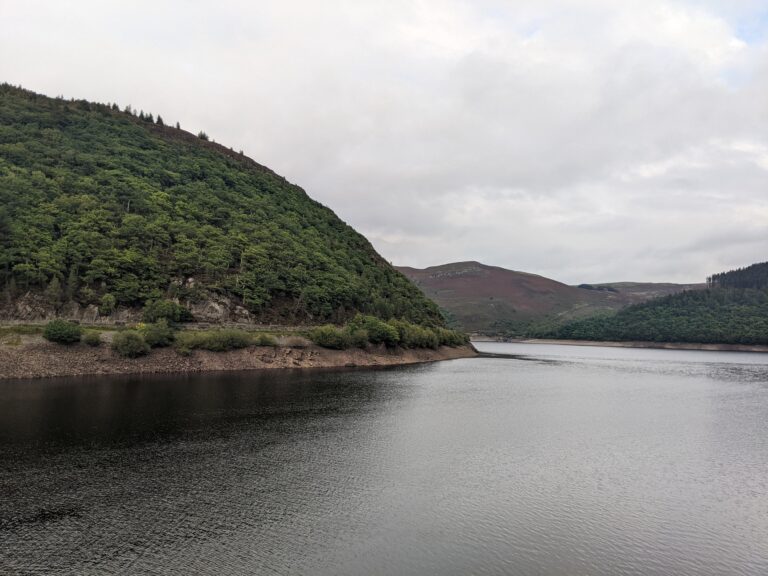
Tree planting in uplands in the PenninesHill and lake - Elan Valley

Project Description

National tree expansion plans for net zero targets need to be aligned with the needs of local communities and stakeholders to succeed. The UK government has legally binding targets for increasing tree cover, but top-down approaches risk the disengagement of local stakeholders.

STAND sought solutions for this problem by exploring how treescape expansion can be designed and governed to achieve the best outcomes for people and nature, balancing local and national priorities. We focused on two upland focal landscapes in England (North Pennines & Dales) and Wales (The Elenydd), engaging local stakeholders and policy actors through interviews and participatory workshops.

What we discovered...

  • We found that local stakeholders support upland treescape expansion, but the question of how much tree cover the landscape could support was more controversial.
  • The current policy and regulatory environment do not necessarily promote the forms of treescape expansion which are acceptable to local stakeholders. Stakeholders typically preferred low-density treescapes, including those established through natural colonisation.
  • Modelled future scenarios saw positive and negative planting outcomes. Positive outcomes included increased carbon sequestration, reduced surface run-off and more woodland birds; negative outcomes included reduced livestock numbers and fewer upland birds.
  • Local stakeholders’ preferred extent of future tree cover is similar to ‘top‑down’ net zero pathways. However, there are some important exceptions, with some stakeholders favouring lower levels of tree cover.
  • People’s relationship with the landscape’s historical context and their sense of place are important considerations in land use decisions and can support local stakeholder engagement.
  • Stakeholders identified specific challenges such as skills gaps, bureaucratic grant application processes, uncoordinated and limited advice, and uncertain and insufficient long-term government funding. Stakeholders also highlighted a need for better support for natural colonisation and a more flexible approach to treescape expansion on designated sites.
  • We recommend that more effective local stakeholder engagement and consultation is needed in policymaking to understand local barriers and challenges.

Project Lead(s)

Dr Tom Finch, RSPB

Project Website

https://www.stand-treescapes.github.io/